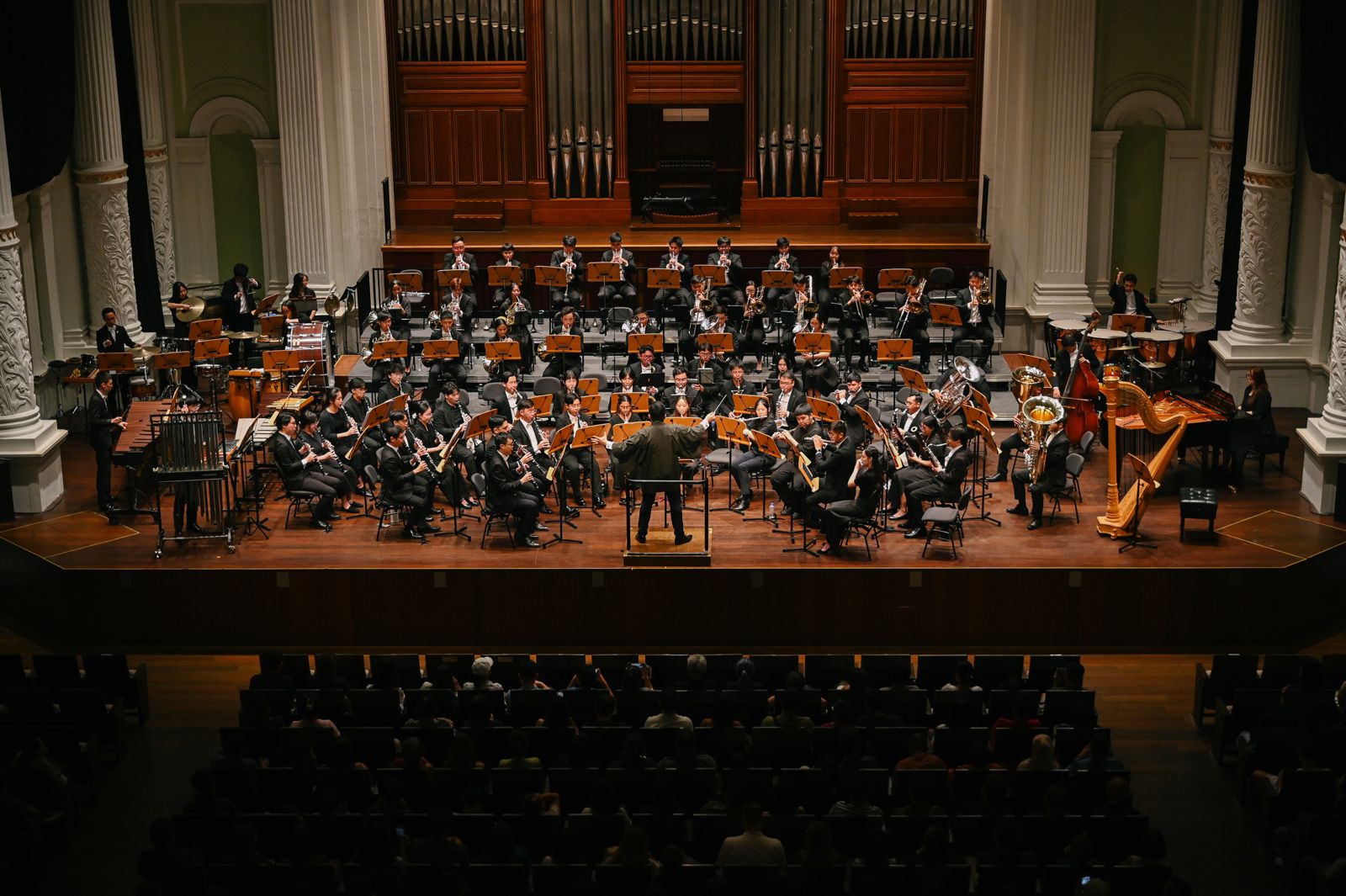
When a child comes home and says they have been put in the percussion section, many parents picture a drum kit. In a school concert band, percussion is a lot more than that. Here is what a band percussionist actually plays, what beginners usually learn first, and how your child can get a head start.
Percussion is a family, not one instrument
A flute player plays the flute. A percussionist looks after a whole family of instruments. Most school band percussion sections share these:
- Snare drum. The small drum with the crisp, rattling sound. It carries a lot of the rhythm.
- Bass drum. The big drum that gives the band its deep pulse.
- Cymbals. A pair of crash cymbals, and often a single suspended cymbal played with sticks or soft mallets.
- Mallet instruments. Xylophone, marimba, glockenspiel (often called bells) and sometimes vibraphone. They have bars laid out like piano keys, so they play real melodies.
- Timpani. Large drums that can be tuned to different notes, also called kettle drums.
- Small percussion. Triangle, tambourine, woodblock and others that add colour.
One beginner band guide puts it plainly: every member of the percussion section is expected to play every instrument in the section. So your child might play bells in one piece and bass drum in the next.
What about the drum set?
The drum set is most closely linked to jazz band and pop music. In a school concert band, most of the work happens on the instruments above. If your child mainly dreams of playing drum set, that is a great goal to have. The reading and stick control they build in concert percussion will help them there too.
At BAS, our Percussion Foundation Class covers drum set as well as snare drum, xylophone and marimba, so children get a taste of both worlds.
What do beginners learn first?
Band teachers often start new percussionists on two things: snare drum and bells.
Snare drum teaches stick control and rhythm. Early lessons focus on holding the sticks well, making an even sound with both hands, and short sticking patterns called rudiments. Many teachers have beginners work on a practice pad, a small rubber pad that is quiet enough for home practice.
Bells or xylophone teach reading pitched notes. This matters because a percussionist has to read music just like the wind players do, plus rhythms that can get very busy.
Some teachers start with one, some with both. Either way, by the time students move up, they are expected to handle mallet instruments, bass drum, cymbals and, later, timpani.
The skills a good percussionist needs
Percussion looks simple from the audience. It is not. Here is what helps a child do well:
- A steady sense of time. The whole band leans on the percussion section to keep the beat steady. A metronome becomes a percussionist's best friend.
- Focus. Percussion parts often have long rests. Your child has to count every bar and come in exactly right, sometimes with a single cymbal crash that everyone will hear.
- Reading music. Rhythm on the drums, and notes on the mallet instruments.
- Moving quickly. Percussionists often switch instruments in the middle of a piece, so they learn to plan ahead and stay organised.
Is percussion a good fit for my child?
Children who enjoy rhythm, like to move, and can stay focused through a long piece often do well. Outgoing children often enjoy it too, because a percussion part is easy to hear and great fun to play.
You also do not need to buy a full set of instruments to start. At BAS, percussion instruments are available at the studio.
Getting a head start before Secondary 1 band
If your child is joining band in Secondary 1 next year, starting percussion before school band begins can make the first weeks much less daunting. Our guide to joining band in Secondary 1 explains how CCA selection works, and types of wind instruments is a good read if your child has not decided between percussion and a wind instrument.
Our Percussion Foundation Class is for students who are new to percussion or just starting out. It runs on Saturdays from 12 to 1.30pm, with 20 sessions per semester, and is taught by Ms Angeline Wee, who holds First Class Honours in Percussion from NAFA and the University of Wales and an LRSM diploma. Students learn as an ensemble and play music together from the start.
Already playing percussion in a school band? The BAS Ensembles welcome percussionists, so your child can keep growing alongside wind players outside school.
Questions parents ask us
Does my child need to own percussion instruments to start?
No. Percussion instruments are available at the BAS studio, so your child can begin without buying a full set.
Is percussion easier than learning a wind instrument?
It is different rather than easier. Percussionists do not need to learn breathing or mouth shape for a wind instrument, but they learn a whole family of instruments and read both rhythm and pitched notes.
Can my child join the BAS Ensembles as a percussionist?
Yes. The BAS Ensembles welcome percussionists. Children who are new to percussion usually start in the Percussion Foundation Class first.