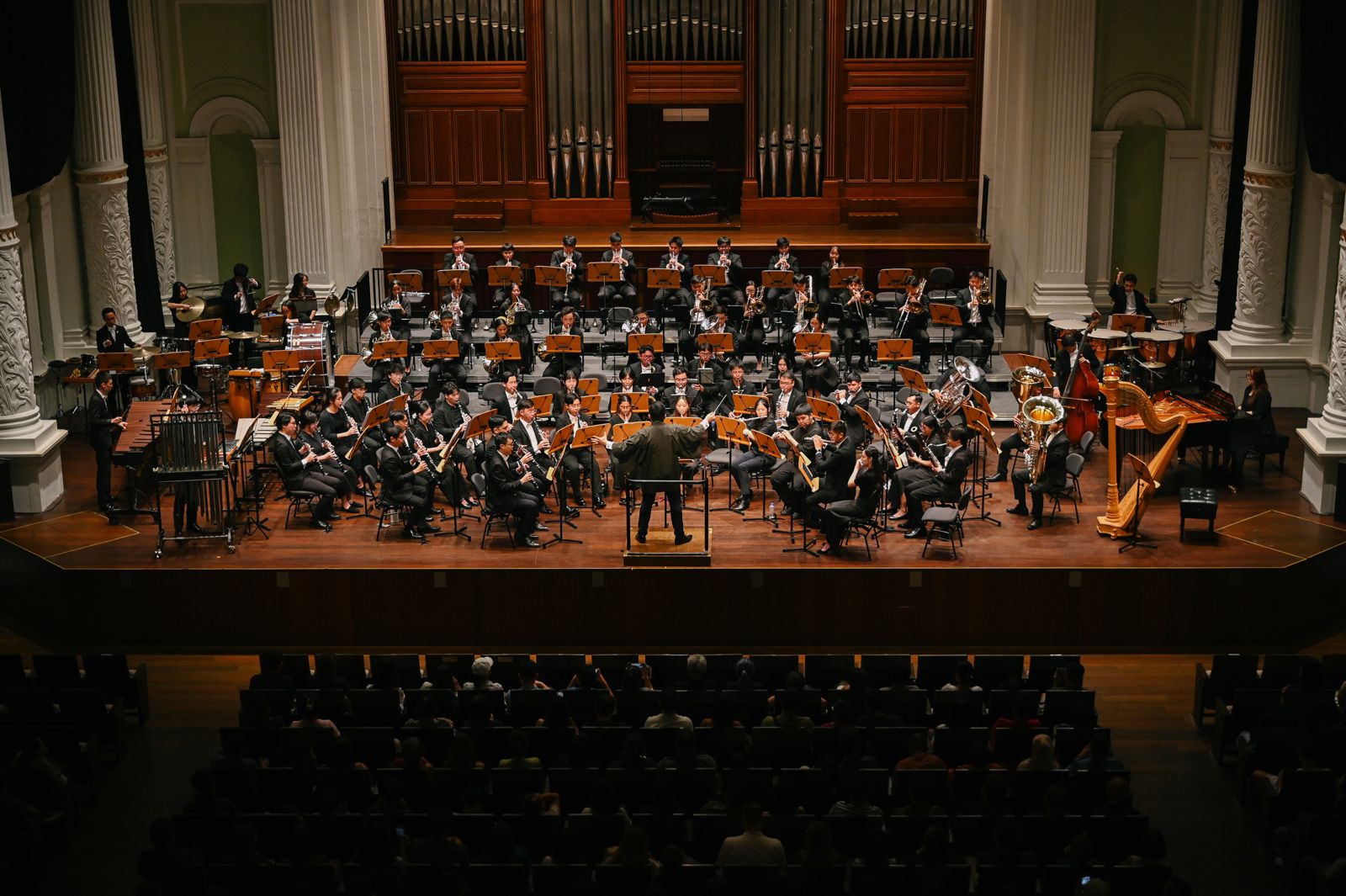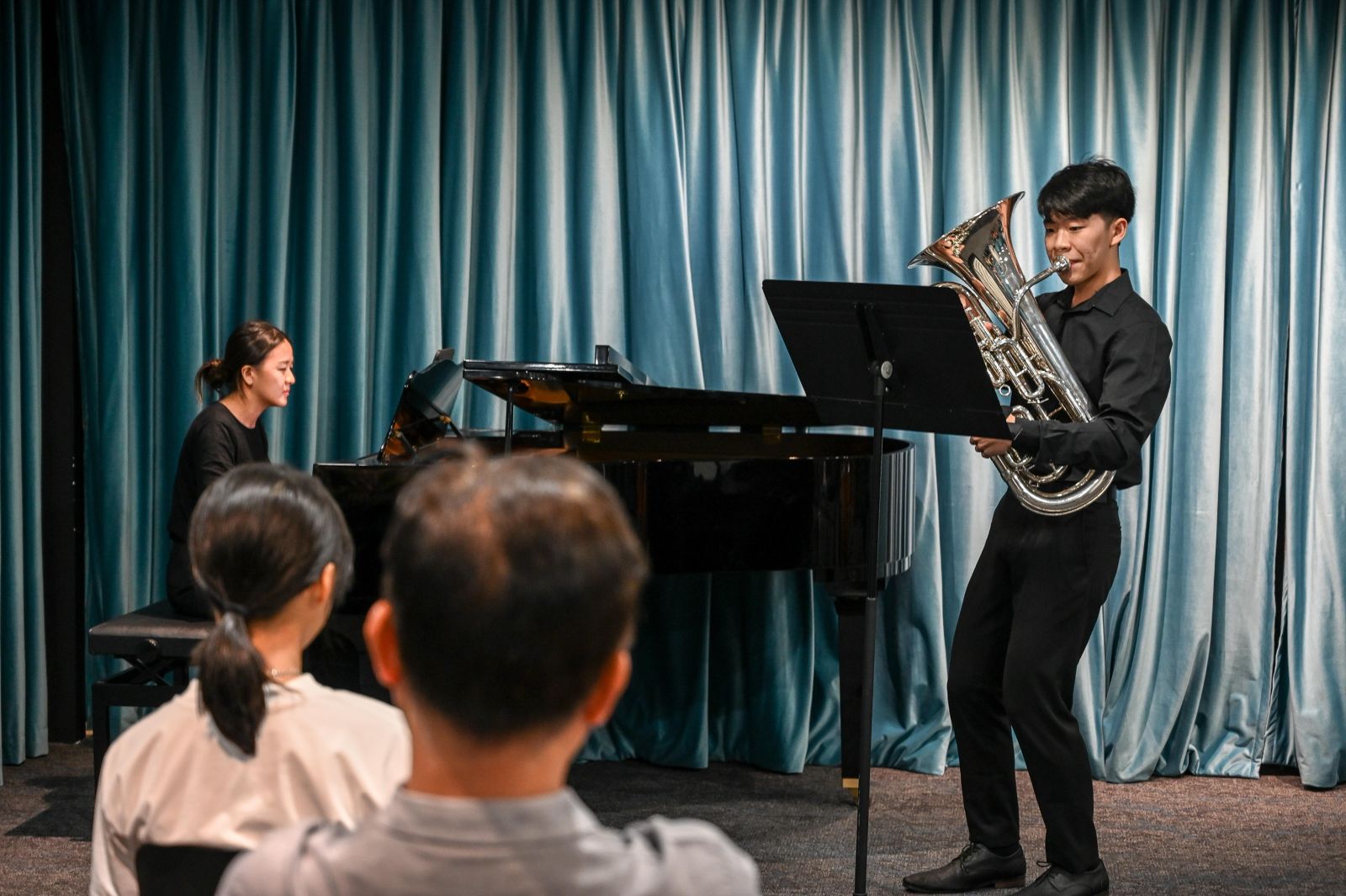
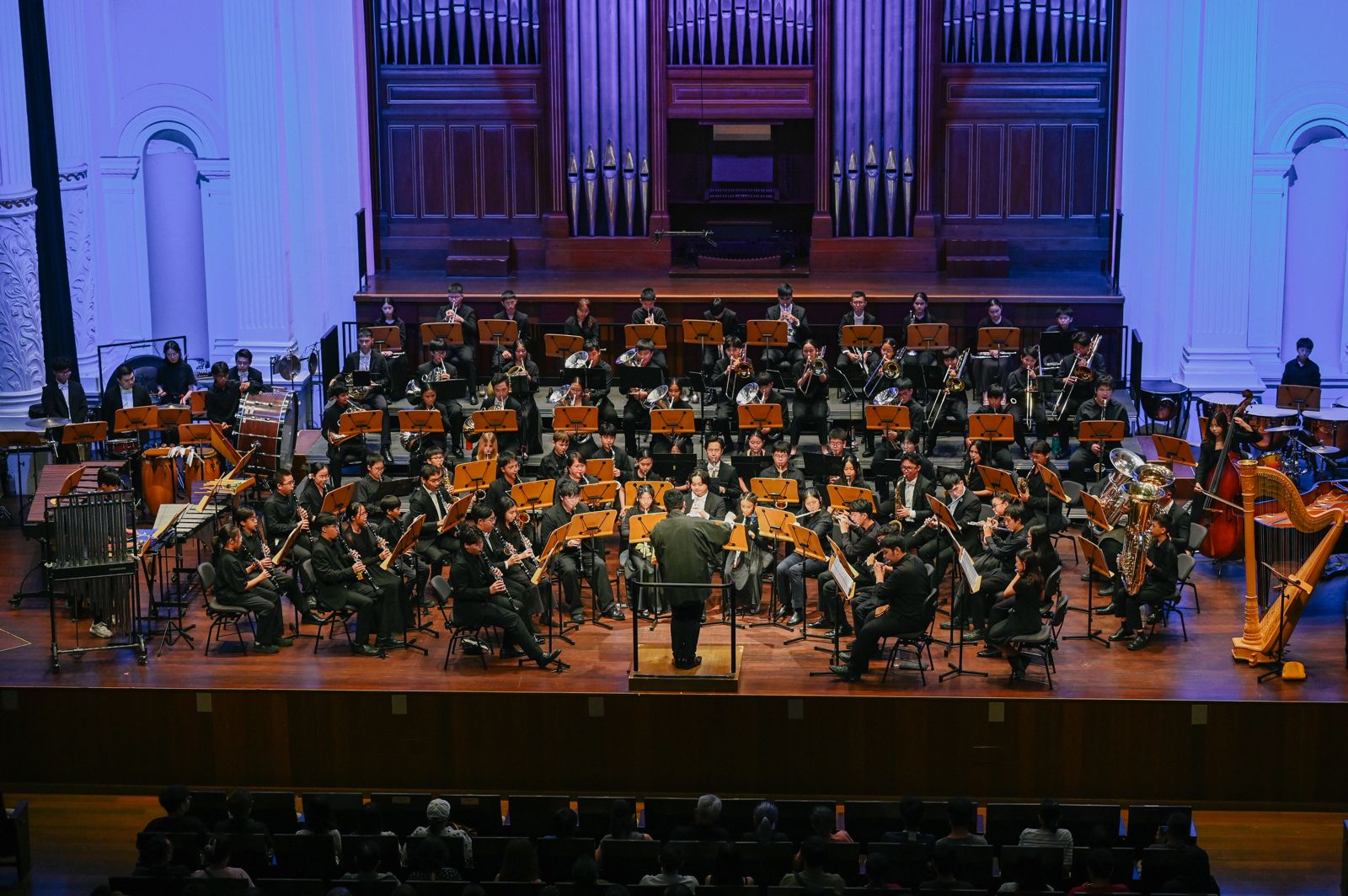
Joining a band for the first time is exciting, and for many children it is also a little scary. Whether your child is starting band CCA in Secondary 1 next year or joining an ensemble outside school, the first rehearsal is usually calmer than they imagine. Here is what normally happens, what to bring, and a few simple habits that help new players settle in quickly.
What happens at a first band rehearsal?
Most band rehearsals follow a similar pattern. Students arrive, unpack and get their instrument ready. They sit with their section, so the flutes sit together, the clarinets sit together, the trumpets sit together, and so on. The group then warms up and tunes before working on the music.
The conductor will often play through a piece first, then stop and work on smaller parts in more detail. One community orchestra in the UK describes the same flow for newcomers: settle in and tune, run through the pieces, then work on sections.
For a beginner, a lot of this is new at once. Reading the music, watching the conductor and listening to the people around you all happen together. It is normal to feel a bit lost in the first few weeks. One school band guide puts it simply: nobody expects new members to be perfect. They expect them to come prepared, try their best and be willing to learn.
What should my child bring to band rehearsal?
School band supply lists are very similar. Most ask for:
- The instrument, checked at home so nothing is missing.
- Daily supplies. Clarinet and saxophone players need reeds, with a few spares and none chipped. Trumpet, euphonium and tuba players need valve oil. Trombone players need slide cream. Percussionists usually bring their own sticks and mallets.
- A pencil, not a pen, for marking the music.
- Their music, kept together in one folder.
- A water bottle.
At BAS, students in the BAS Ensembles bring the instrument they already play. Double bass and percussion are the exceptions. In the Foundation Programme, children do not need an instrument before they start. We let them try a few instruments, recommend one, and help with buying or renting it before lessons begin. In the Percussion Foundation Class, the instruments are provided at the studio.
How should my child behave in rehearsal?
A band only works when everyone pays attention to the same person at the same time. These habits help new players fit in from day one.
- Watch the conductor. When the conductor stops the band or starts talking, stop playing and look up. Band directors often say that good rehearsals start with students looking at the teacher while they speak.
- Use a rest position. When not playing, rest the instrument on the lap. Try not to play with keys, valves or slides while the conductor is explaining something.
- Mark the music in pencil. If the conductor points out a mistake, draw a small mark on that spot so it is easier to remember next time.
- Count the rests. In a wind band, coming in too early or too late is what makes a player stand out. Counting quietly through the rests keeps your place.
- Listen to the players around you. The goal is for each section to sound like one instrument, not lots of separate ones.
- Ask questions. Older students and section leaders have all been beginners. They are usually happy to help with a fingering or a tricky rhythm.
Why does playing in a band feel hard at first?
Practising alone at home is quite different from playing with a whole band. At home, your child can stop whenever they like. In band, the music keeps going, so they need to keep their place, play their part and listen to others all at the same time.
This is also why playing in a group is so good for young musicians. They learn to keep steady time, follow a leader and work as a team. In our experience, most beginners feel much more settled after their first few weeks of rehearsals.
How to prepare in the weeks before
If your child has a few weeks before band starts, a little preparation goes a long way.
- Practise short and often. Our post on how to practise music effectively suggests about 15 to 20 focused minutes a day for beginners.
- Get comfortable with the basics. Putting the instrument together, packing it away and looking after reeds or valves should feel easy before the first rehearsal.
- Learn to read simple rhythms. Being able to count crotchets, quavers and rests makes the first rehearsal far less confusing.
- Listen to wind band music. Hearing how a band sounds helps your child understand what they are aiming for.
If your child is in P6 and thinking about band CCA, our post on joining band in Secondary 1 explains how CCA selection usually works and how to use the December holidays well.
Where BAS fits in
At Band Academy Singapore, we focus on helping children learn to play together, not just alone.
The BAS Foundation Programme is for children aged 7 and above with no band experience. Children try a few instruments, get a recommendation and then learn good playing habits on Saturdays, with the aim of building the confidence to play with others. The Percussion Foundation Class covers both pitched instruments such as xylophone and marimba and drums such as snare, bass drum and cymbals, and students train as an ensemble.
The BAS Ensembles are for students who already play. Students join the Junior or Senior Ensemble based on their playing ability and rehearse on Saturdays with our music directors at Waterloo Centre, near Bras Basah MRT. It is a good way to get more rehearsal experience, play more music and feel more at home in a band.
Questions parents ask us
My child has never played in a band. Will they be lost at the first rehearsal?
Feeling a little lost is normal for any beginner. Conductors and section leaders expect it. Coming prepared, watching the conductor and asking questions will help your child settle in quickly.
What should a beginner bring to band rehearsal?
Their instrument, daily supplies such as reeds or valve oil, a pencil, their music in a folder and a water bottle. Percussionists usually bring sticks and mallets.
How early should we arrive for band rehearsal?
Arrive about 10 minutes early so your child can unpack, prepare their instrument and be seated before the start time.