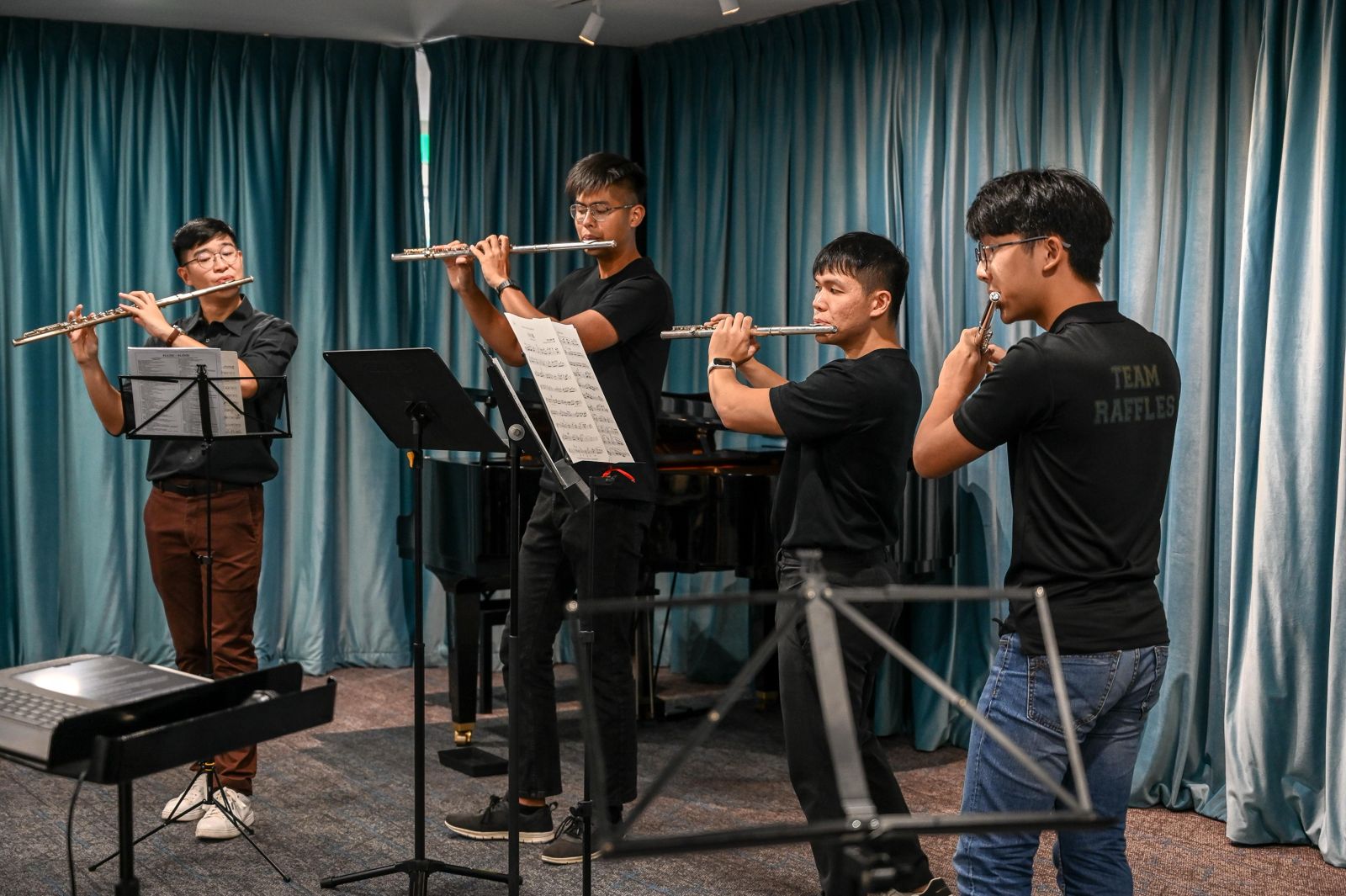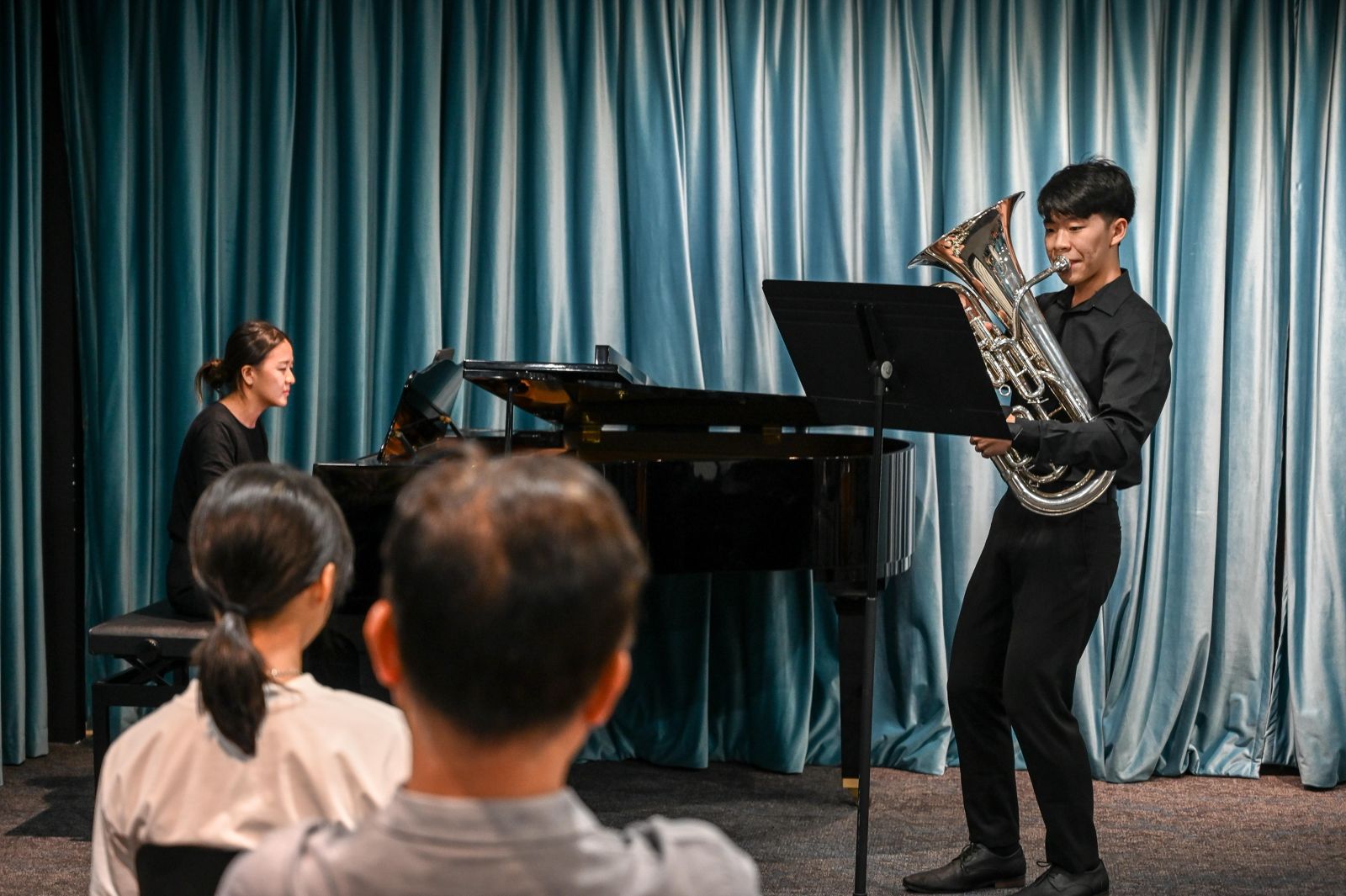

The conductor hands out a new piece. You have never seen it. There are key changes, a tricky rhythm on the second line, and in five seconds the band is going to start. Your brain freezes.
Almost every band student knows that feeling. The good news is that sight reading is a skill, not a talent. It gets better with the right habits and a little daily practice.
What is sight reading?
Sight reading means playing music you have never seen before, reading it in real time. You do not get to stop and figure it out. You keep going.
In band, you sight read every time new music comes out. It is also a common part of auditions, including many DSA trials.
The most important thing to understand is this: sight reading is not about being perfect. It is about keeping the pulse, staying with the group and getting through the piece. Professionals miss notes when they sight read too. They just do not stop.
Why it matters so much in band
When a band sight reads well, rehearsal time goes further. Instead of spending weeks getting the notes right, the conductor can move on to what makes the music come alive: dynamics, balance, phrasing and style.
For your child, strong sight reading means:
- less panic when new music arrives
- faster progress on every new piece
- a real edge in auditions
- more confidence in general
Six habits of good sight readers
1. Check the signposts first
Before you play a note, look at the key signature and time signature. They tell you which notes are sharp or flat and how the beats are grouped. Missing them is the single most common sight reading mistake.
2. Scan the whole page
Take a few seconds to look for anything tricky: fast rhythms, accidentals, key changes, repeats, first and second endings, or a D.S. or coda. Knowing where the road bends means you will not crash into it.
3. Rhythm before notes
This surprises many students. If you play the wrong note in the right place, the band covers you. If you play the right note in the wrong place, everyone hears it. When in doubt, keep the rhythm and let a note go.
4. Keep going, no matter what
If you miss something, do not stop and do not go back. Drop it, find the next beat, and come back in. The band is not going to wait, and in an audition, keeping going shows the panel you are a reliable player.
5. Read ahead
Try to keep your eyes a little ahead of where you are playing, even just half a bar. It gives your brain time to prepare. This gets easier with practice.
6. Listen to the band
In rehearsal, you are not alone. Listen for the players around you and lock in with them. If you get lost, listen for a strong entry or a clear rhythm, and jump back on.
Common mistakes and how to avoid them
- Getting stuck on one note. Look for patterns instead: scales, arpeggios and repeated rhythms.
- Skipping the key signature. Make it the first thing you check, every single time.
- Stopping after a mistake. Practise pushing through, even at home.
- Losing the pulse. Count in your head, tap your foot gently, or watch the conductor.
How to practise sight reading at home
A few minutes a day is enough. Here is a simple routine:
- Pick something you have never played. It should be a little easier than your band music.
- Give yourself 30 seconds to scan it. Key, time signature, tempo, tricky spots.
- Clap or tap the rhythm once.
- Play it through once, slowly, without stopping.
- Think about what went well and what tripped you up.
- Move on to something new. The point is fresh music each time.
Apps like Sight Reading Factory make this easy, because they generate new exercises for your instrument at your level. Old band books, method books and hymn books work well too.
Getting help
Sight reading improves fastest with regular playing in a group and a teacher who can point out patterns you are missing. At BAS, it is built into our ensemble rehearsals, and our Musicianship and Aural Class works on reading, rhythm and listening every week.
If your child is preparing for an audition, our guide to band audition preparation covers the rest.
Questions parents ask us
What is sight reading?
Sight reading means playing a piece of music you have never seen before, reading it as you go. In band, you do it every time new music is handed out. Many auditions and DSA trials also include a sight reading test.
How long do I get to look at the music before I play?
In an audition it is often around 30 seconds to a minute. Use that time to check the key, time signature, tempo and any tricky rhythms. Some panels will tell you, so listen carefully.
Is there an app to practise sight reading?
Yes. Sight Reading Factory is one many band students use, as it creates new exercises for your instrument at your level. Any simple music you have not played before also works.